Archives
- 2026-10
- 2026-09
- 2026-08
- 2026-07
- 2026-06
- 2026-05
- 2026-04
- 2026-03
- 2026-02
- 2026-01
- 2025-12
- 2025-11
- 2025-10
- 2025-09
- 2025-04
- 2025-03
- 2025-02
- 2025-01
- 2024-12
- 2024-11
- 2024-10
- 2024-09
- 2024-08
- 2024-07
- 2024-06
- 2024-05
- 2024-04
- 2024-03
- 2024-02
- 2024-01
- 2023-12
- 2023-11
- 2023-10
- 2023-09
- 2023-08
- 2023-07
- 2023-06
- 2023-05
- 2023-04
- 2023-03
- 2023-02
- 2023-01
- 2022-12
- 2022-11
- 2022-10
- 2022-09
- 2022-08
- 2022-07
- 2022-06
- 2022-05
- 2022-04
- 2022-03
- 2022-02
- 2022-01
-
Because FPR is expressed in
2022-01-03
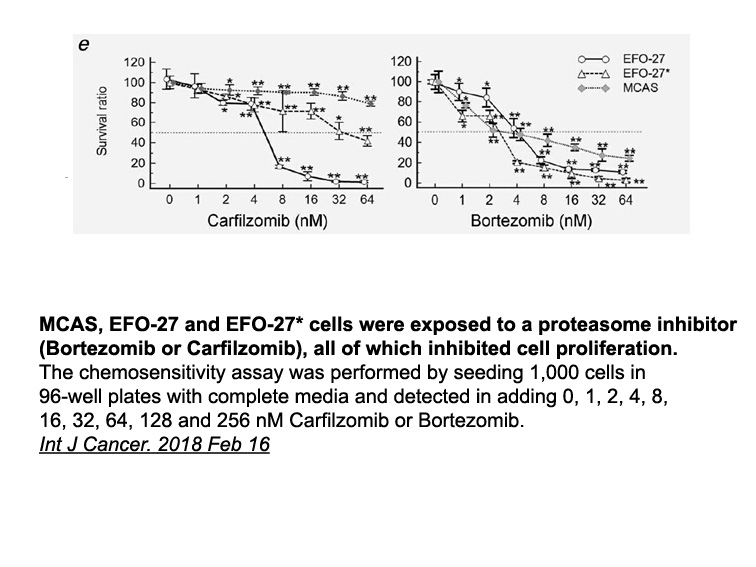
Because FPR-1 is expressed in VSMCs and its role in non-hematopoietic cells is still unclear, we questioned whether FPR-1 would have physiological relevance for vascular behavior, in the same way as it does in neutrophils (Ca2+ homeostasis and wnt signaling pathway polymerization). First, we tested
-
br Anandamide signaling and cardiovascular function The
2022-01-03
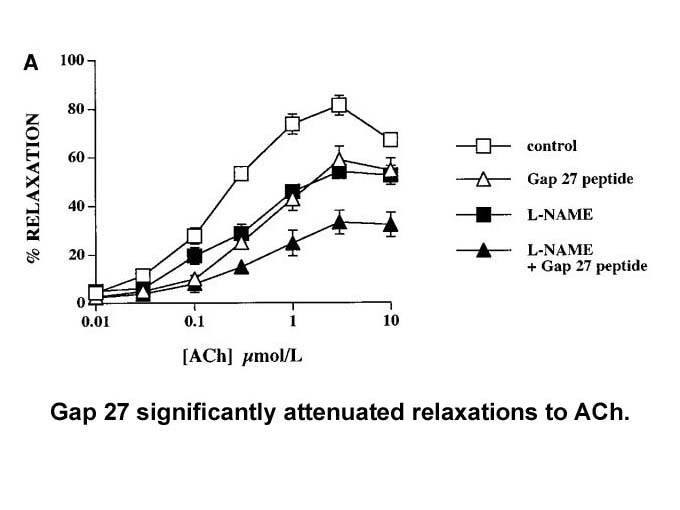
Anandamide signaling and cardiovascular function The cardiovascular effects of cannabinoid compounds have been known for a long time. Studies in humans indicate that chronic use of marijuana causes long lasting decrease in blood pressure and heart rate, whereas the acute use increases heart rate
-
More specific quantitative assays for
2022-01-03
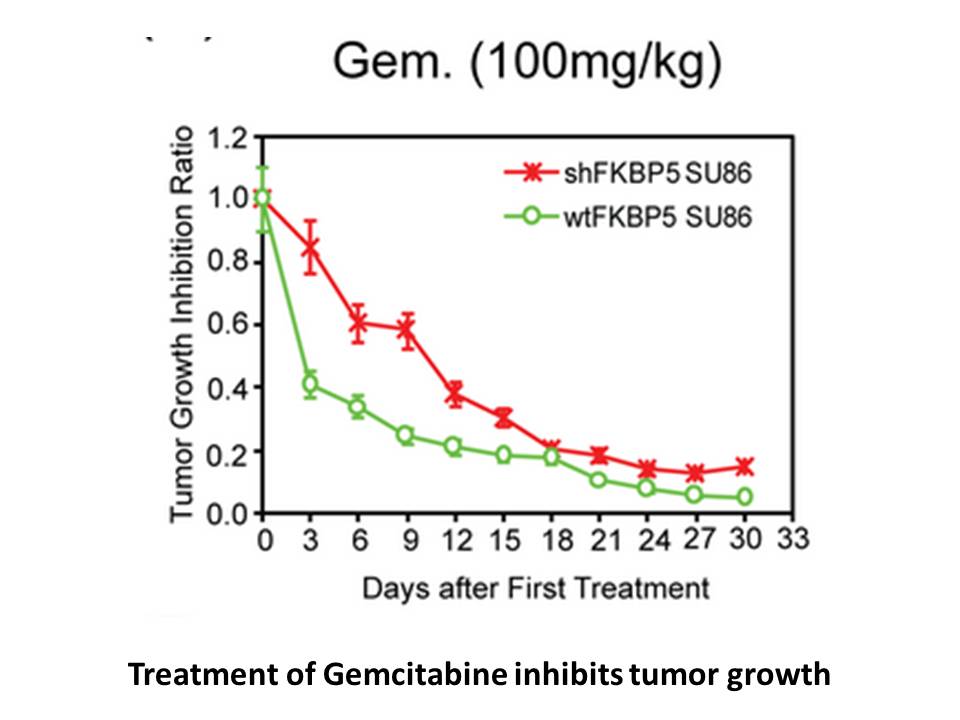
More specific quantitative assays for DiXaIs are based on the inhibition of chromogenic or clotting activity of Factor Xa. During drug development, Kubitza developed an endogenous Anti-Factor Xa assay [45], which is very sensitive to Rivaroxaban drug concentration. This assay was based on Factor Xa
-
br Materials and methods br Results
2022-01-03
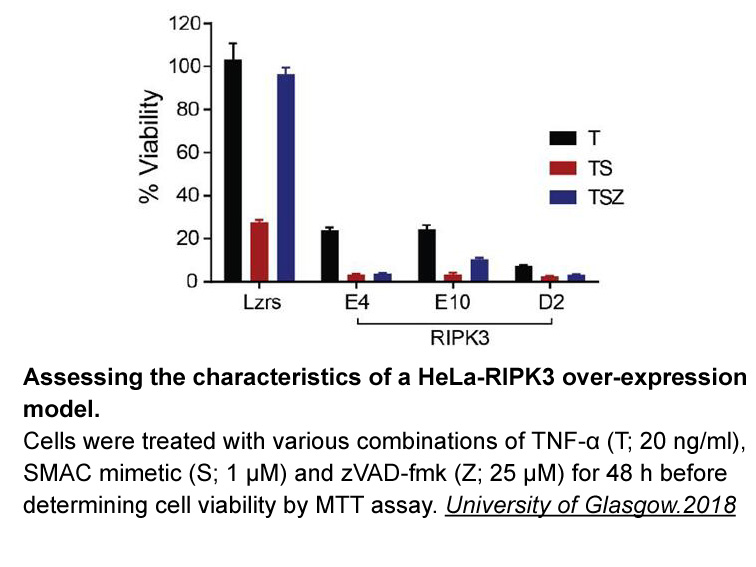
Materials and methods Results Discussion The development of HCC is a multistep process involving the accumulation of multiple genetic and epigenetic alterations that lead to the activation of oncogenes and inactivation of tumor suppressor genes [20]. Frequent intrahepatic or pulmonary metas
-
br Epigenetic regulation of OA
2022-01-03
Epigenetic regulation of OA pathogenesis Although epigenome of each cell is unique but can undergo temporal and spatial changes in response to environmental stimuli such as diet, exercise, smoking and disease status. Aberrant epigenetic modifications due to environmental factors are associated wi
8525 records 569/569 page Previous First page 上5页 566567568569