Archives
- 2026-10
- 2026-09
- 2026-08
- 2026-07
- 2026-06
- 2026-05
- 2026-04
- 2026-03
- 2026-02
- 2026-01
- 2025-12
- 2025-11
- 2025-10
- 2025-09
- 2025-04
- 2025-03
- 2025-02
- 2025-01
- 2024-12
- 2024-11
- 2024-10
- 2024-09
- 2024-08
- 2024-07
- 2024-06
- 2024-05
- 2024-04
- 2024-03
- 2024-02
- 2024-01
- 2023-12
- 2023-11
- 2023-10
- 2023-09
- 2023-08
- 2023-07
- 2023-06
- 2023-05
- 2023-04
- 2023-03
- 2023-02
- 2023-01
- 2022-12
- 2022-11
- 2022-10
- 2022-09
- 2022-08
- 2022-07
- 2022-06
- 2022-05
- 2022-04
- 2022-03
- 2022-02
- 2022-01
-
In previous years evidence emerged that
2024-09-23
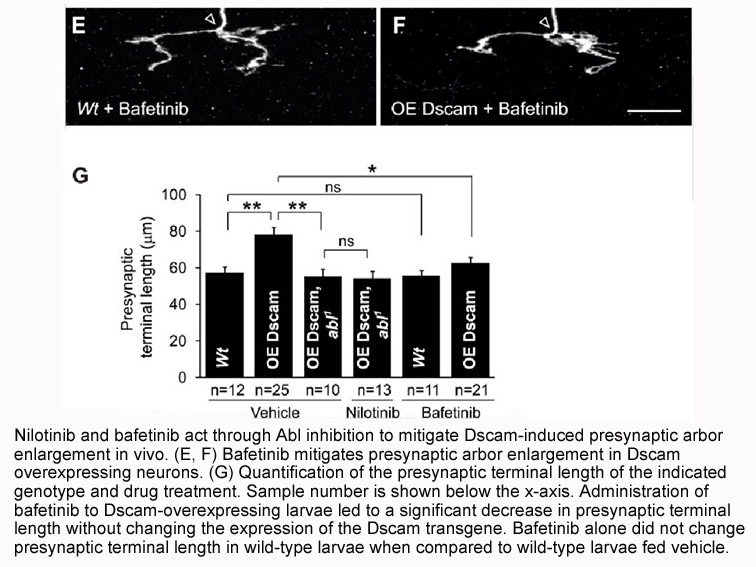
In previous years, evidence emerged that inferred secondary metabolites in plants might exhibit a potential arginase inhibition [36]. In a recent study, Pham and co-workers showed the inhibitory activity of chlorogenic KU-57788 (7) and piceatannol (8) (Fig. 3b) on mammalian arginase with IC50s of 1
-
br Materials and methods br Results
2024-09-23
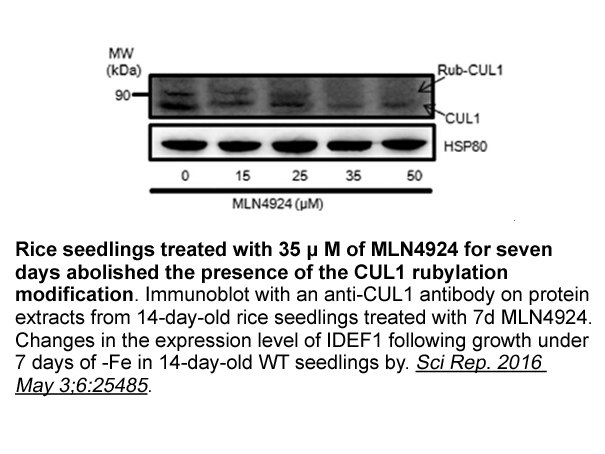
Materials and methods Results Discussion The current treatment modalities for colorectal cancer are hampered by various issues such as high acquired resistance, long-term complication with potential of cancer recurrence, severe side-effects and poor therapeutic index [50], [51], [52]. Compl
-
br Drugs with documented pro apoptotic effects on
2024-09-23
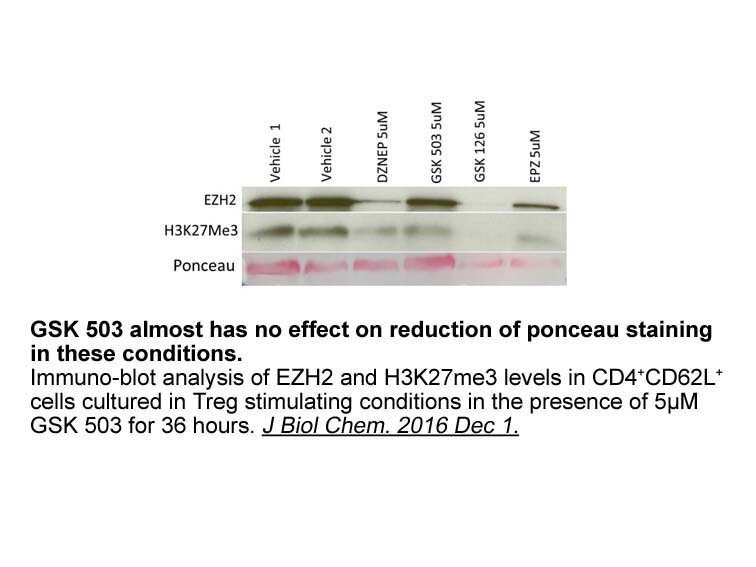
Drugs with documented pro-apoptotic effects on platelets More than 200 drugs are reported to cause thrombocytopenia [5,42]. The concept of platelet apoptosis is relatively new and was only recently evaluated in the context of drug-induced thrombocytopenia [43]. Table 2 lists the drugs presently k
-
br Conflicts of interest br Contributors
2024-09-23
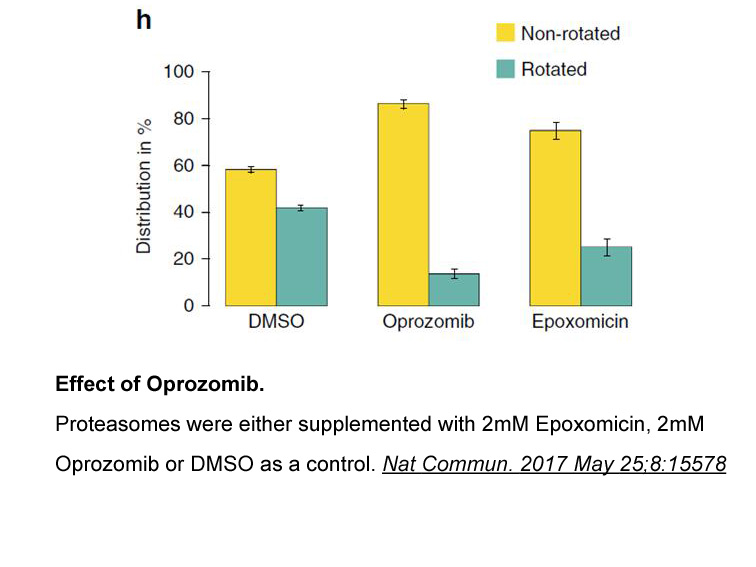
Conflicts of interest Contributors Introduction Lipid oxidation and enzymatic activities are some of the most significant problems in the food industry. These reactions lead to changes in chemical composition which in turn reduce the quality and shelf life of food products. Most of the anti
-
Several strategies have been employed to design and
2024-09-23
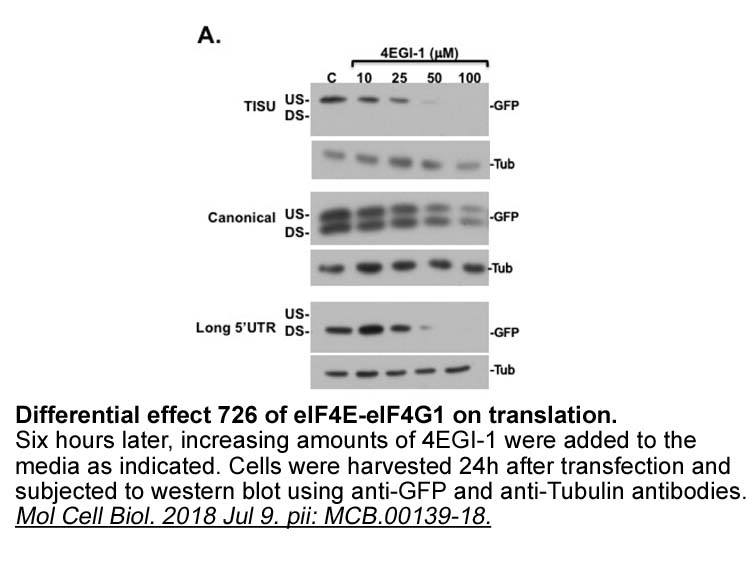
Several strategies have been employed to design and engineer peptide biosensors of kinase activity, which are quite different from the strategies developed to generate genetically encoded KARs. In all cases, jtc motors induces changes in the spectral properties of the fluorophore(s) incorporated in
-
Overall we found maternal antibiotics to be
2024-09-21
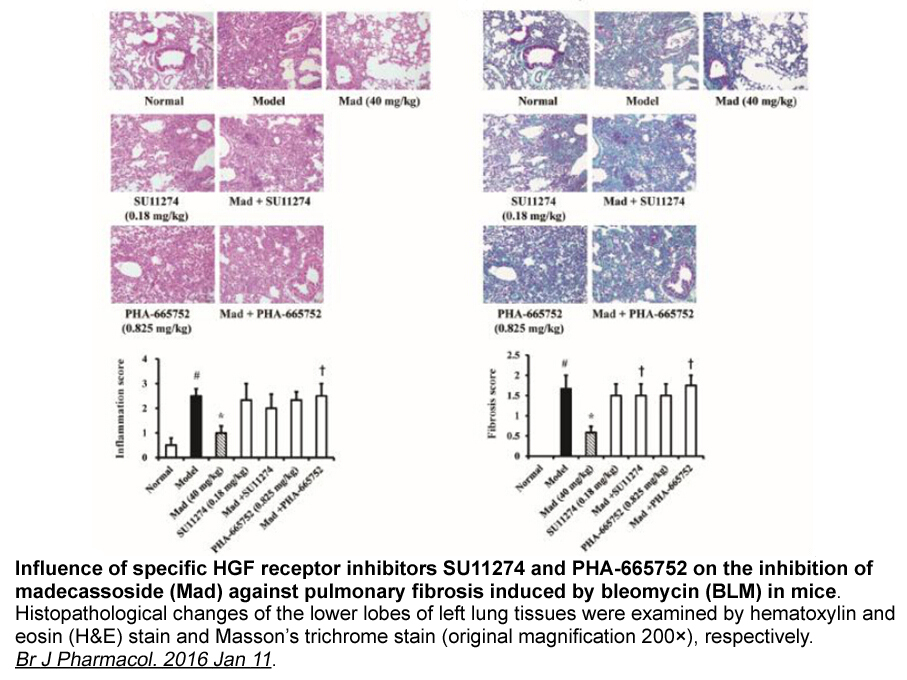
Overall, we found maternal pkc pathway to be associated with improved outcomes. In these multiple logistic regression models, high postnatal empiric infant antibiotic exposure was not significantly associated with risk for NEC or LOS. However, consistent with previous studies,5, 6 receipt of high em
-
br Conclusions Extract of non
2024-09-21

Conclusions Extract of non-germinated winter rape seeds cv. Bellevue was screened for the aminopeptidase activity. It revealed broad substrate specificity, with the highest activity toward Phe-pNA. Also in the partially purified sample, phenylalanine was preferentially hydrolysed. PMSF, known ser
-
br Concluding Remarks and Future Perspectives
2024-09-21
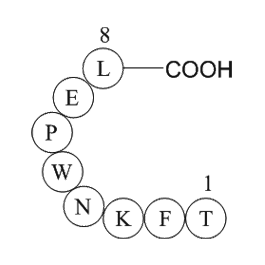
Concluding Remarks and Future Perspectives While postmortem human TCS 359 material is relatively sparse and has inherent limitations as discussed above, additional investigations could benefit from analysis of in vitro cellular models to corroborate findings in patient material. Generation of neu
-
AhR is also known to cross talk with
2024-09-21
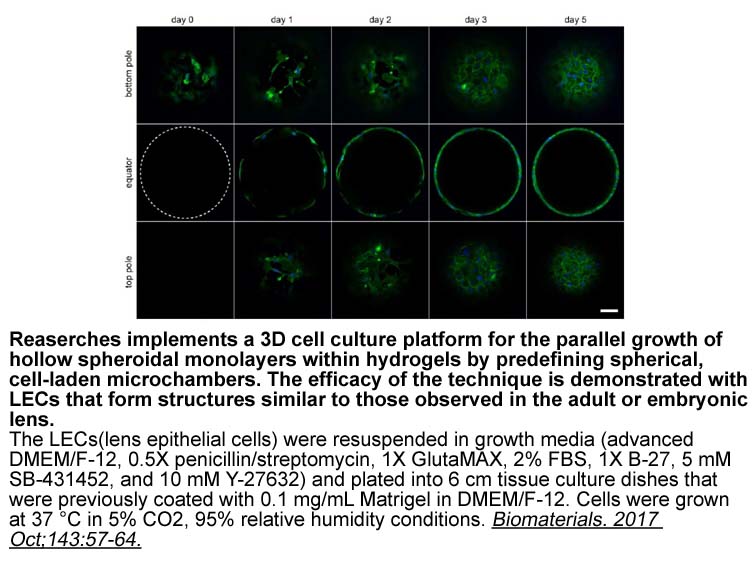
AhR is also known to “cross-talk” with a variety of other cell signaling pathways, which has been the focus of a number of recent reviews [40], [41], [42]. It has long been known that TCDD is anti-estrogenic. For example, activation of AhR by TCDD and related HAHs inhibits estrogen dependent uterus
-
br Endoplasmic reticulum protein ERp binds
2024-09-21
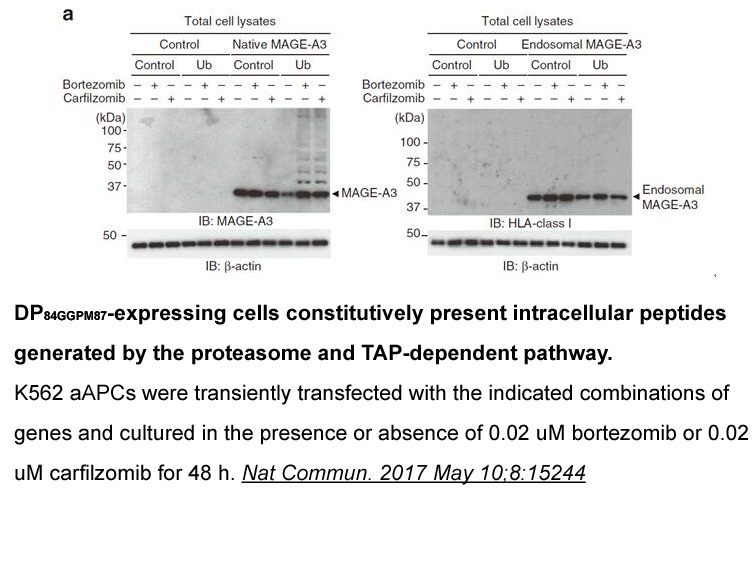
Endoplasmic reticulum protein 46 (ERp46) binds to AdipoR1 in HeLa cells ERp46 is localized in the ER and is suggested to act as a chaperone. About 20% of endogenous ERp46 are found at the plasma membrane suggesting that this protein may have additional functions. ERp46 interacts with Leflunomide
-
Tissue distribution showed that ctrp was abundantly expresse
2024-09-21
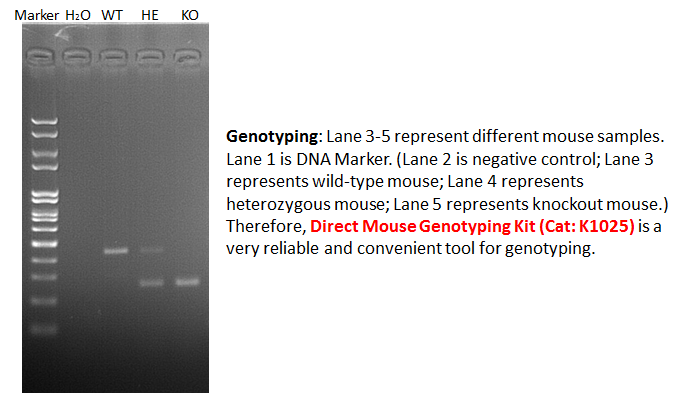
Tissue distribution showed that ctrp9 was abundantly expressed in the kidney of male and female tilapia. In mice, the Ctrp9 was identified in adipose tissue, and the expression levels were higher in females than that of males (Wong et al., 2009). Recent studies indicated that Ctrp9 was also expresse
-
br Functional consequences of ADK regulation
2024-09-21
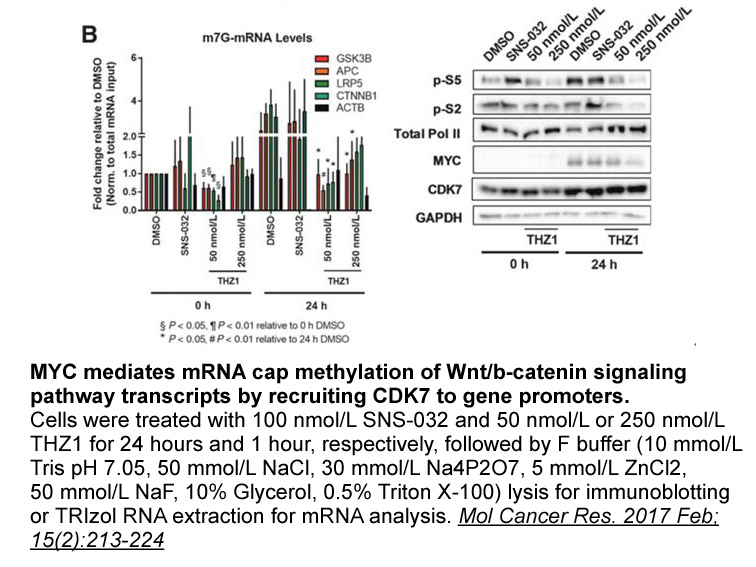
Functional consequences of ADK regulation on neuronal excitability Adenosine modulates neuronal excitability via activation of the high affinity A1 or A2A, low-affinity A2B, or low abundance A3 adenosine receptors that feed into a multitude of different neuronal and astrocytic pathways (Blum et a
-
br Conclusion br Conflicts of interest
2024-09-21
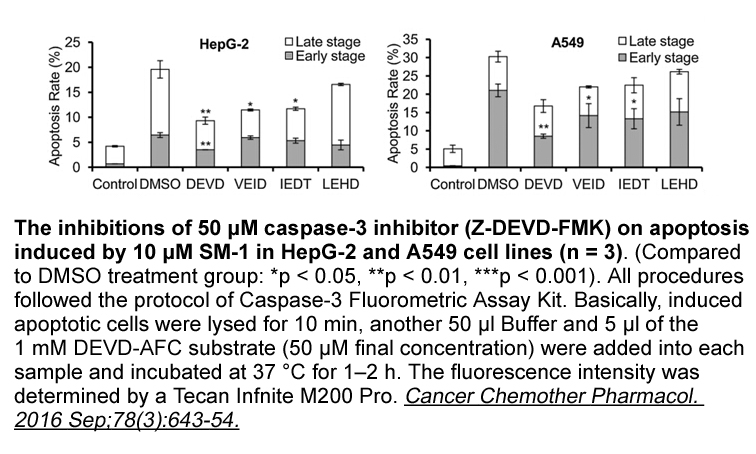
Conclusion Conflicts of interest Introduction Enzymes are widely applied as biocatalysts in fields such as synthetic chemistry [1], pharmaceuticals [2], environmental treatment [3], and food technology [4] because they can catalyze chemical transformations in a highly selective manner under
-
br Acknowledgment br Introduction Vascular smooth muscle
2024-09-21

Acknowledgment Introduction Vascular smooth muscle cells (VSMC) exhibit the capacity to switch between a differentiated (contractile) and a dedifferentiated (synthetic) phenotype [1]. Synthetic VSMC express a lower amount of contractile proteins such as Smooth muscle 22α (sm22α) and α-Smooth m
-
Calcipotriol sale br Experimental section br Results
2024-09-21
Experimental section Results and discussion Conclusion In the present study, 3a,8a-dihydroxy-8-oxo-1,3,3a,8a-tetrahydroindeno[1,2-d]imidazol-2(1H)-iminium chloride (3) has been synthesized and characterized by spectral studies and single crystal X-ray crystallography. DFT calculations have
8524 records 118/569 page Previous Next First page 上5页 116117118119120 下5页 Last page